
The 2026 Oscar's Oscars
Crowning my favorites from a great year in cinema.

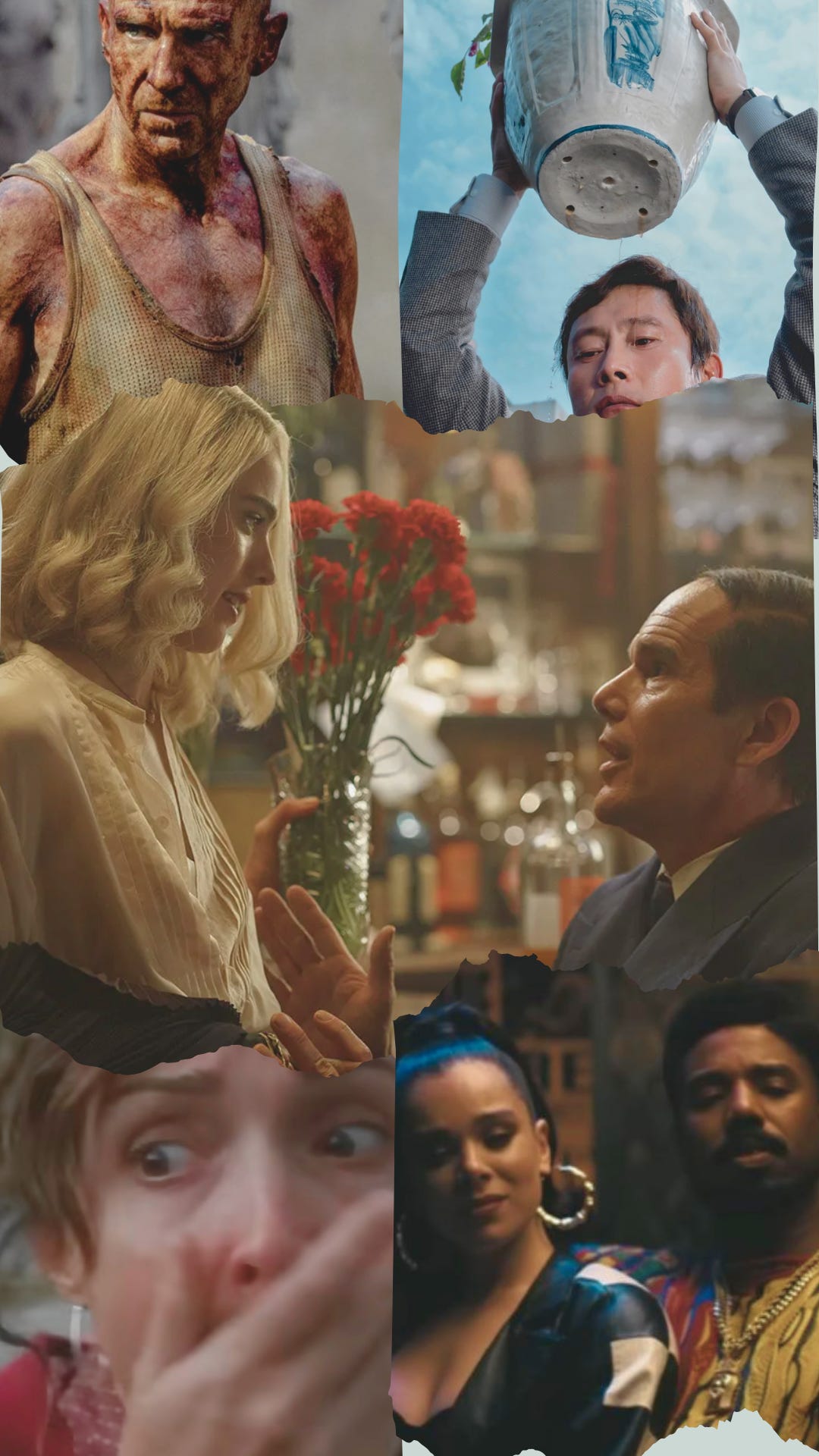
With last month’s 98th Academy Awards, the 2025 awards season has, at long last, come to a conclusion. Before I bid farewell to that year in cinema, though, I wanted to share some more love for my favorites. I’ve picked my nominees and winners in eight major Oscars categories: Picture, Director, the four acting categories, and the two screenplay categories. Some of my picks align with those the Academy made; others are entirely different. Here’s how things would have shaken out if this Oscar ran the Oscars.
Nominees are listed alphabetically.
I haven’t seen every movie out there; these are my favorites from what I did see.
Best Original Screenplay
The nominees:
The Ballad of Wallis Island- written by Tom Basden and Tim Key
Blue Moon- written by Robert Kaplow
If I Had Legs, I’d Kick You- written by Mary Bronstein
Marty Supreme- written by Ronald Bronstein and Josh Safdie
Sinners- written by Ryan Coogler
Oscar’s Oscar goes to…
Robert Kaplow for Blue Moon!
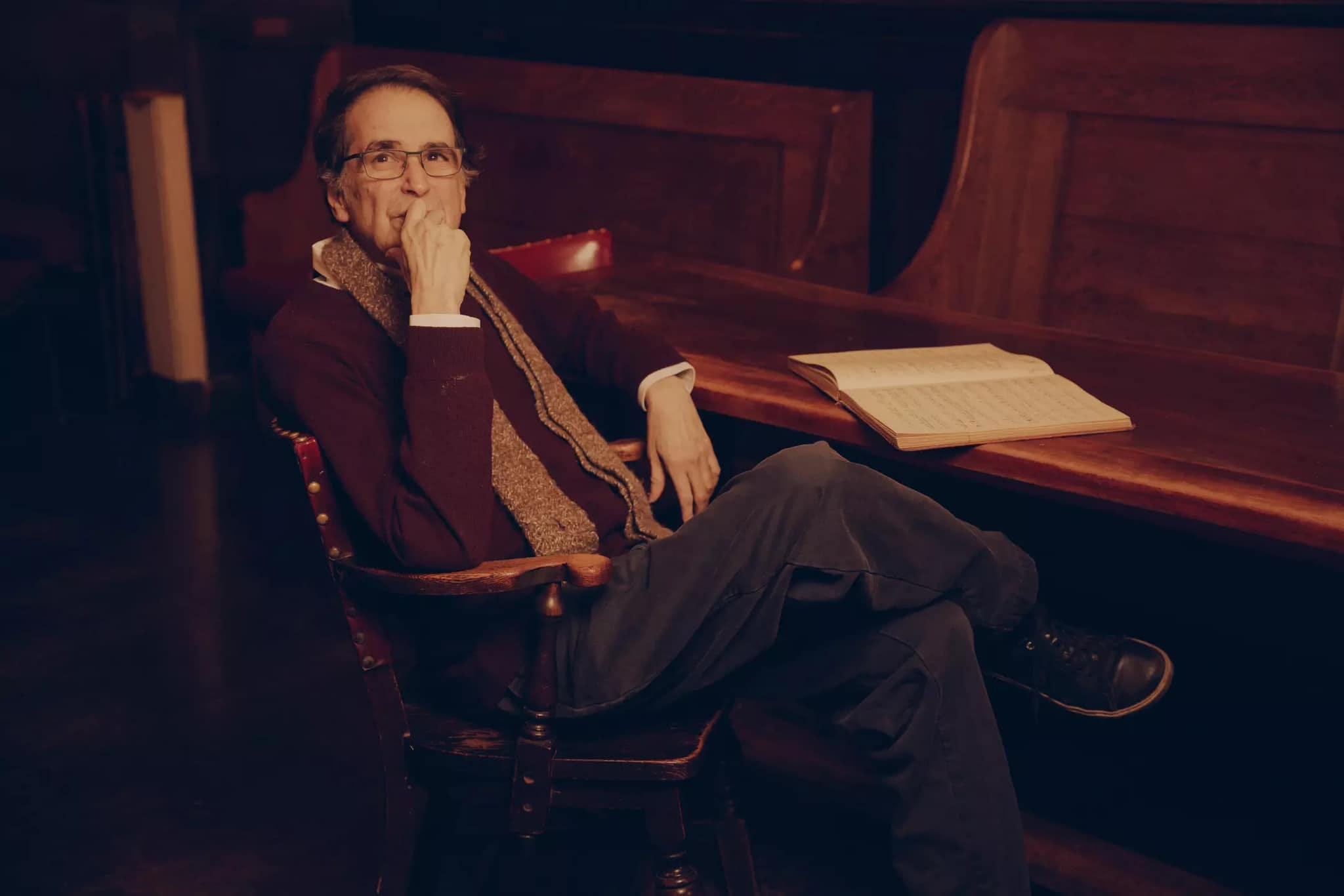
Blue Moon is a remarkable chamber piece, set almost entirely on one night, in real time, following the acclaimed musical theatre lyricist Lorenz Hart as he copes with his declining career at the premiere party for Oklahoma!, the new musical by Hart’s former collaborator Richard Rodgers and his new lyricist Oscar Hammerstein. A film centered on one character in one setting easily risks wearing out an audience, but Kaplow’s deliberately paced script is never not enthralling. His dialogue gives the character of Hart remarkable dimensionality as he oscillates between bluster and vulnerability, peppering in witty bon mots that could be overkill in another context, but make perfect sense coming from the mouth of a character who himself is a prideful writer.
Best Adapted Screenplay
The nominees:
28 Years Later- written by Alex Garland, based on characters and settings from the film 28 Days Later by Alex Garland
Bugonia- written by Will Tracy, based on the film Save the Green Planet! By Jang Joon-hwan
No Other Choice- written by Park Chan-wook, Lee Kyoung-mi, Don McKellar, and Lee Ja-hye, based on the novel The Ax by Donald Westlake
One Battle After Another- written by Paul Thomas Anderson, based on the novel Vineland by Thomas Pynchon
Wake Up Dead Man- written by Rian Johnson, based on characters from the film Knives Out by Rian Johnson
Oscar’s Oscar goes to…
Alex Garland for 28 Years Later!
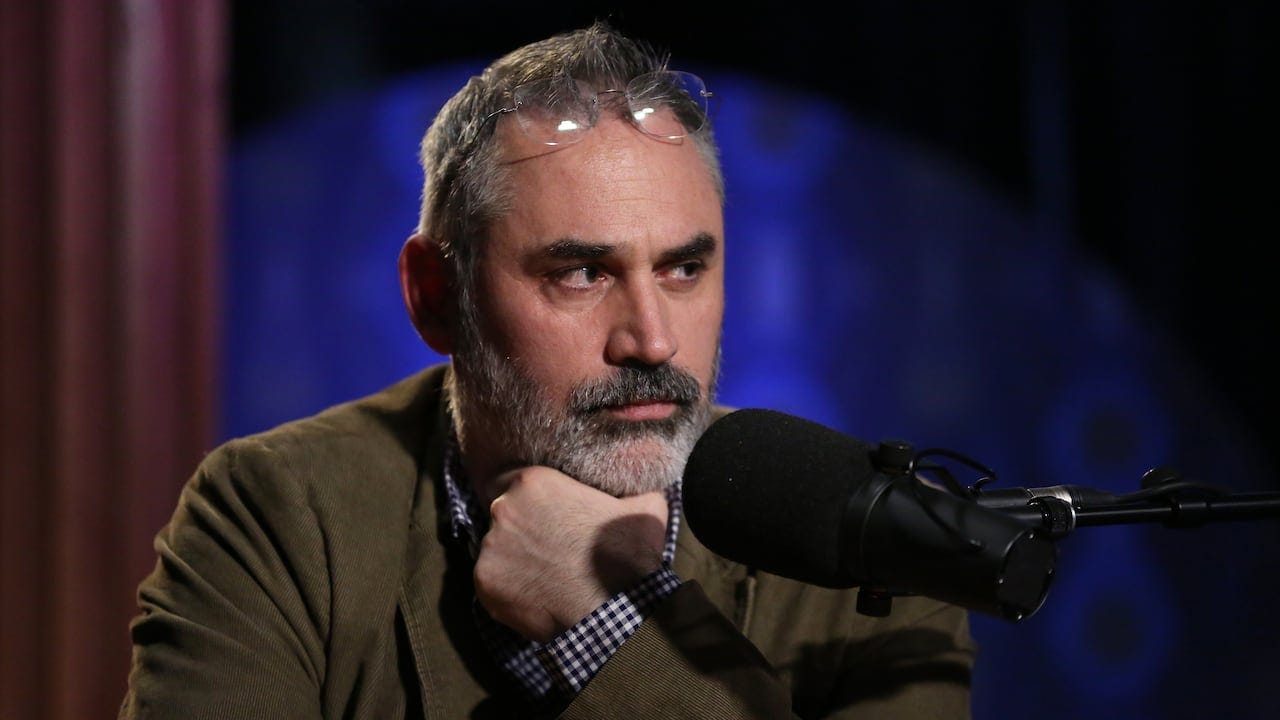
The mixed reception of some of Alex Garland’s recent directorial efforts, like Men and Civil War, has perhaps obscured the fact that he is a generationally talented screenwriter. 28 Years Later sees Garland reteamed with Danny Boyle to revisit a world they created over two decades ago, but rather than delight in nostalgia like so many long-awaited sequels, Garland crafts a wholly unexpected, novel story that’s fascinating, enthralling, and emotionally transcendent. It’s thematically rich without ever falling into heavy-handedness. The world of 28 Years Later is populated with unique characters who all feel distinct and deeply lived-in, while its narrative artfully tracks its adolescent protagonist’s journey out of innocence. It’s a remarkable screenplay, one that’s among the best of Garland’s prolific career.
Best Supporting Actor
The nominees:
Ralph Fiennes as Dr. Ian Kelson in 28 Years Later
Nicholas Hoult as Lex Luthor in Superman
Lee Sung-min as Goo Beom-mo in No Other Choice
Jack O’Connell as Remmick in Sinners
Andrew Scott as Richard Rogers in Blue Moon
Oscar’s Oscar goes to…
Nicholas Hoult for Superman!
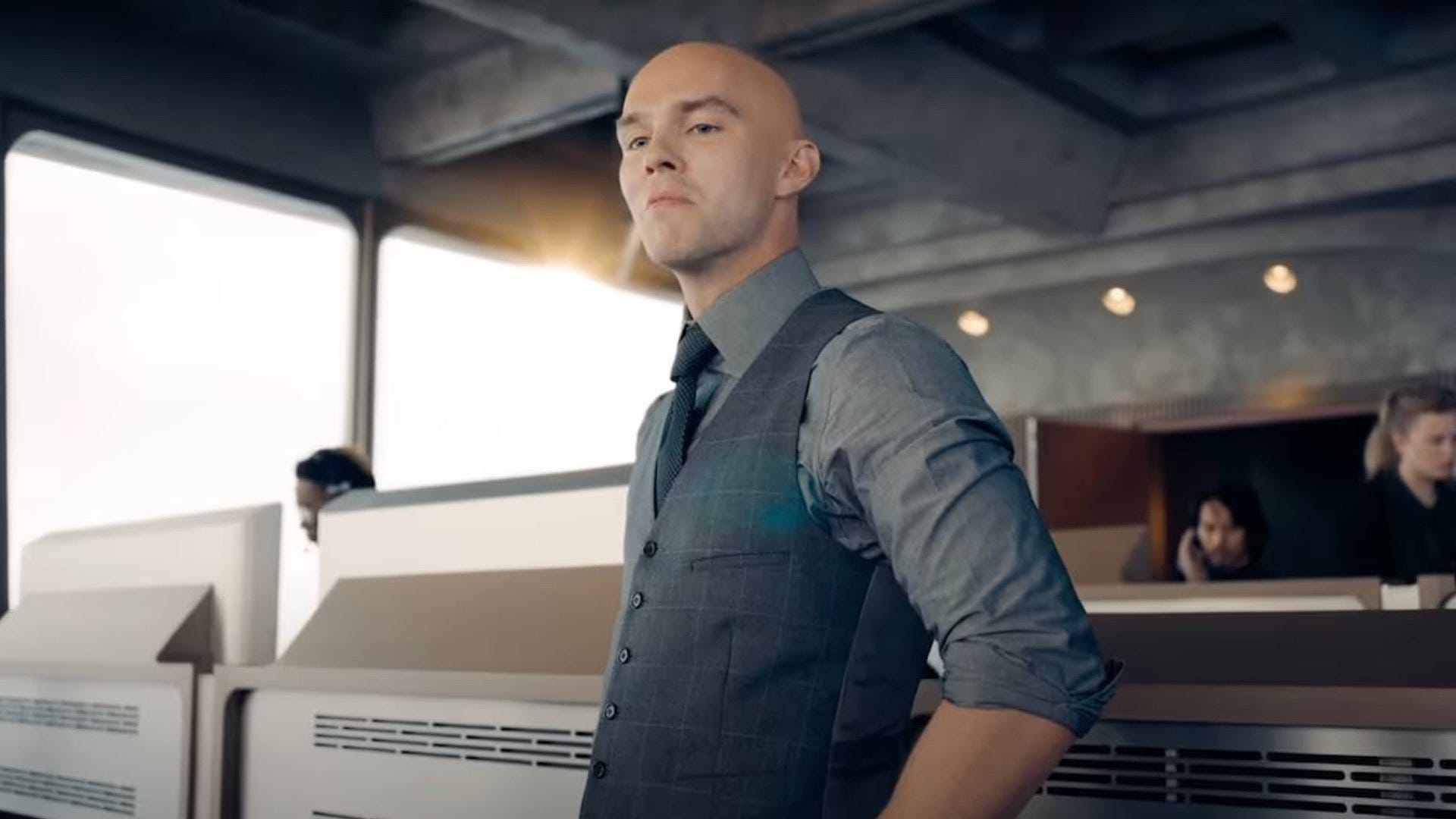
Even taking my personal bias as a DC fan into account, I can acknowledge that James Gunn’s Superman, while very enjoyable, is not among the absolute best films of the year. But Nicholas Hoult’s performance as the iconic supervillain Lex Luthor is a genuinely stunning piece of acting. He’s the film’s highlight, elevating Superman’s archnemesis from a placeholder villain to a centerpiece. Hoult’s Luthor is darkly magnetic, dripping with venom and ego. His delivery is infused with an off-putting charisma that evokes far-right politicians, manosphere influencers, and self-obsessed tech CEOs. Luthor, as embodied by Hoult, balances a massive ego that’s nevertheless fragile with the knowledge that he can’t compare to the Man of Steel, conveyed through perfectly calibrated eye twitches and jaw clenches animating the face under that shiny bald head. Through his dimensionality and compelling presence, Hoult gives new life to a long-existing character, elevating Superman around him beyond what could have been a run-of-the-mill superhero feature.
Best Supporting Actress
The nominees:
Jodie Comer as Isla in 28 Years Later
Margaret Qualley as Elizabeth Weiland in Blue Moon
Son Ye-jin as Lee Mi-ri in No Other Choice
Hailee Steinfeld as Mary in Sinners
Teyana Taylor as Perfidia Beverly Hills in One Battle After Another
Oscar’s Oscar goes to…
Hailee Steinfeld for Sinners!
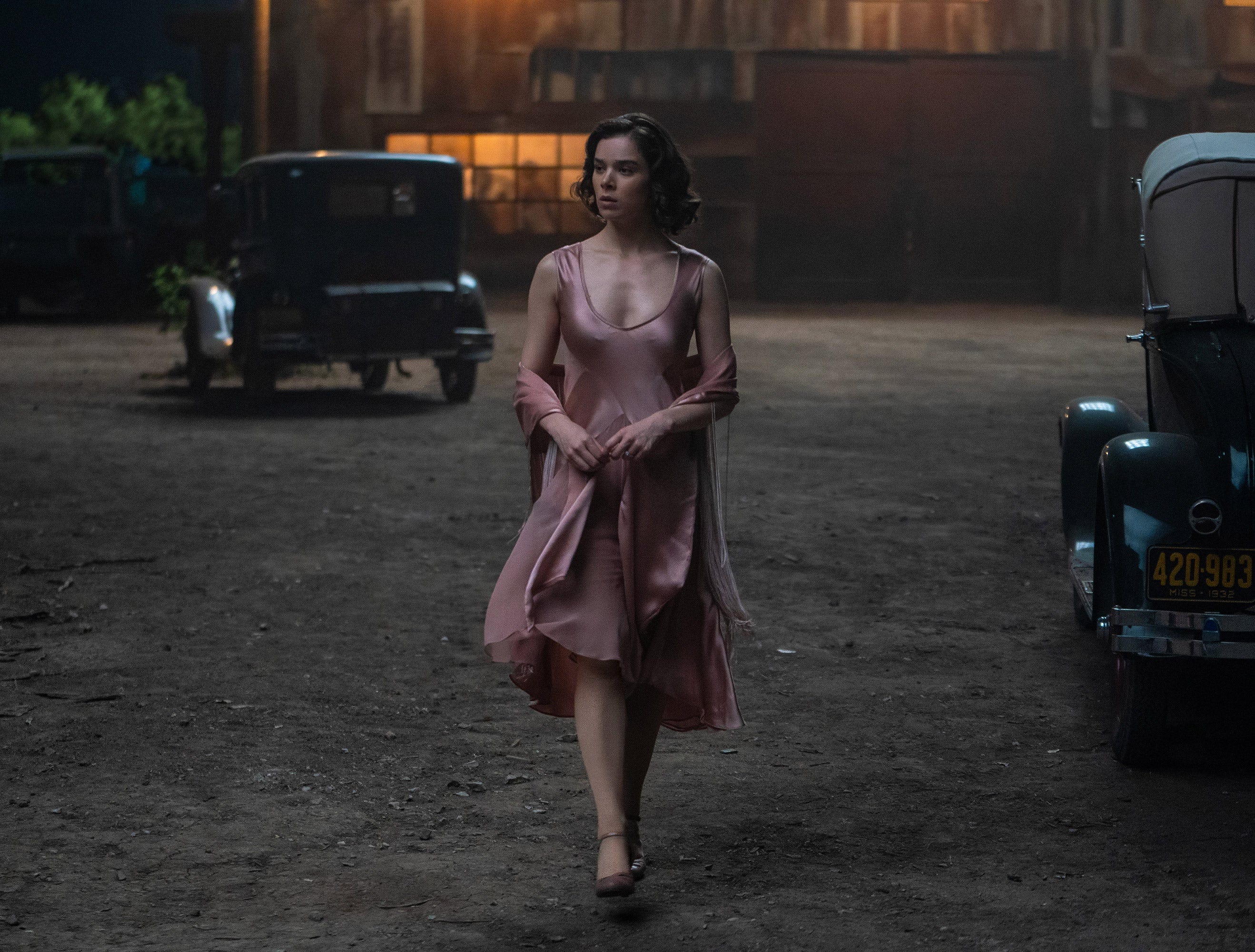
At just 13, Hailee Steinfeld held the center of gravity in the Coen brothers’ True Grit, stealing scenes from Jeff Bridges, Josh Brolin, and Matt Damon, and earning an Academy Award nomination before finishing middle school. While her filmography in the years since has its highlights (The Edge of Seventeen is criminally underrated), Sinners is the most undeniable Steinfeld has been as a star since True Grit. As Mary, a white-assumed mixed race woman in the Black-and-white Jim Crow South, Steinfeld makes her part feel deeply lived in and rich with conflict, elevating a longstanding archetype into a fully-realized human. It’s also notable that, as far as I can tell, this is Steinfeld’s first role to reflect her real-life multiracial background. Steinfeld’s performance is tough, fiery, and sensitive, bringing viewers on every step of Mary’s journey. In the first act, you feel her desperate yearning for community; in the third, as she’s transformed into a vampire, Steinfeld turns up the sinister charm, both alluring and horrifying.
Best Actor
The nominees:
Miles Caton as Sammie Moore in Sinners
Timothee Chalamet as Marty Mauser in Marty Supreme
Ethan Hawke as Lorenz Hart in Blue Moon
Lee Byung-hun as Yoo Man-su in No Other Choice
Jesse Plemons as Teddy Gatz in Bugonia
Oscar’s Oscar goes to…
Lee Byung-hun for No Other Choice!
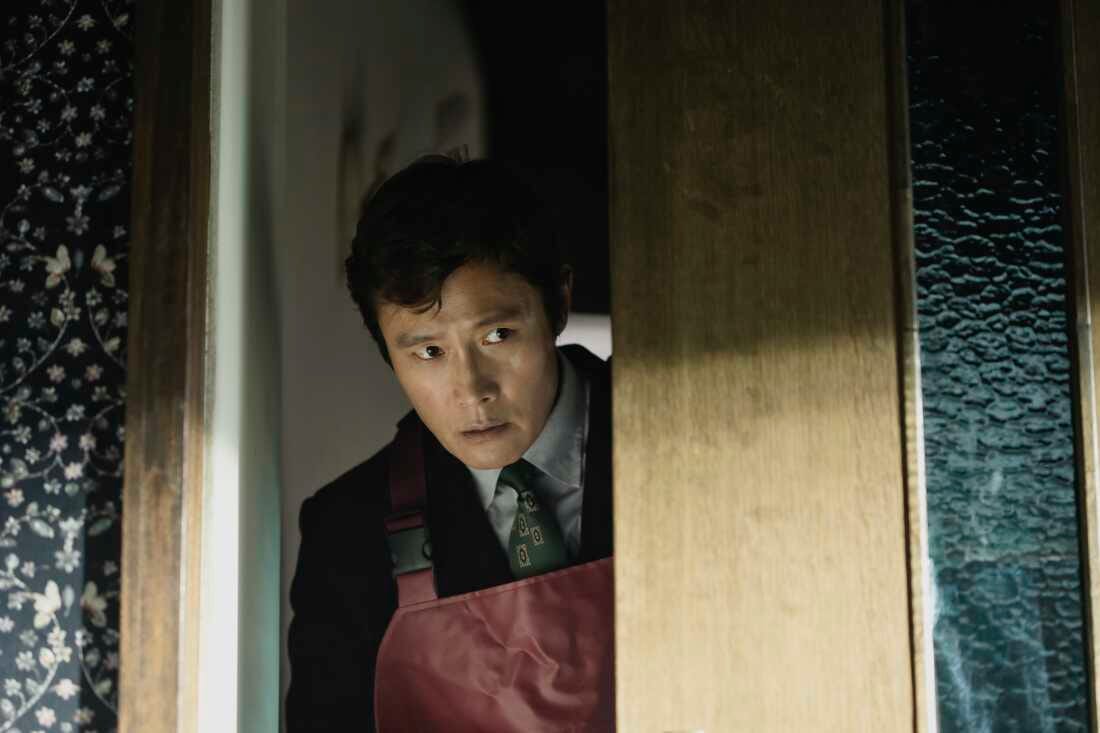
Though he’s one of the most accomplished leading men in Korean cinema with a long and diverse career, American audiences mostly know Lee Byung-hun in a certain mode from his work as commanding villains like Squid Game’s sinister Front Man and KPop Demon Hunters’s demon king Gwi-ma. In No Other Choice, he showcases a wider range. Lee stars as Man-su, a middle-aged, upper-middle-class father and paper factory manager living the Korean dream with a solid career, picturesque home, and loving family– until he’s suddenly laid off, and in the pit of his desperation and status anxiety, decides to assassinate the competitors for a new position he’s eyeing. Lee’s performance is exquisitely multifaceted, feckless and insecure, scheming and deadly, skillfully combining Looney Tunes-level slapstick and deeply felt emotions into a captivating portrait of a status-minded sad sack willing to hollow himself out to keep his place atop the food chain.
Best Actress
The nominees:
Rose Byrne as Linda in If I Had Legs I’d Kick You
Chase Infiniti as Willa Ferguson in One Battle After Another
Renate Reinsve as Nora Borg in Sentimental Value
Amanda Seyfried as Ann Lee in The Testament of Ann Lee
Emma Stone as Michelle Fuller in Bugonia
Oscar’s Oscar goes to…
Rose Byrne for If I Had Legs I’d Kick You!
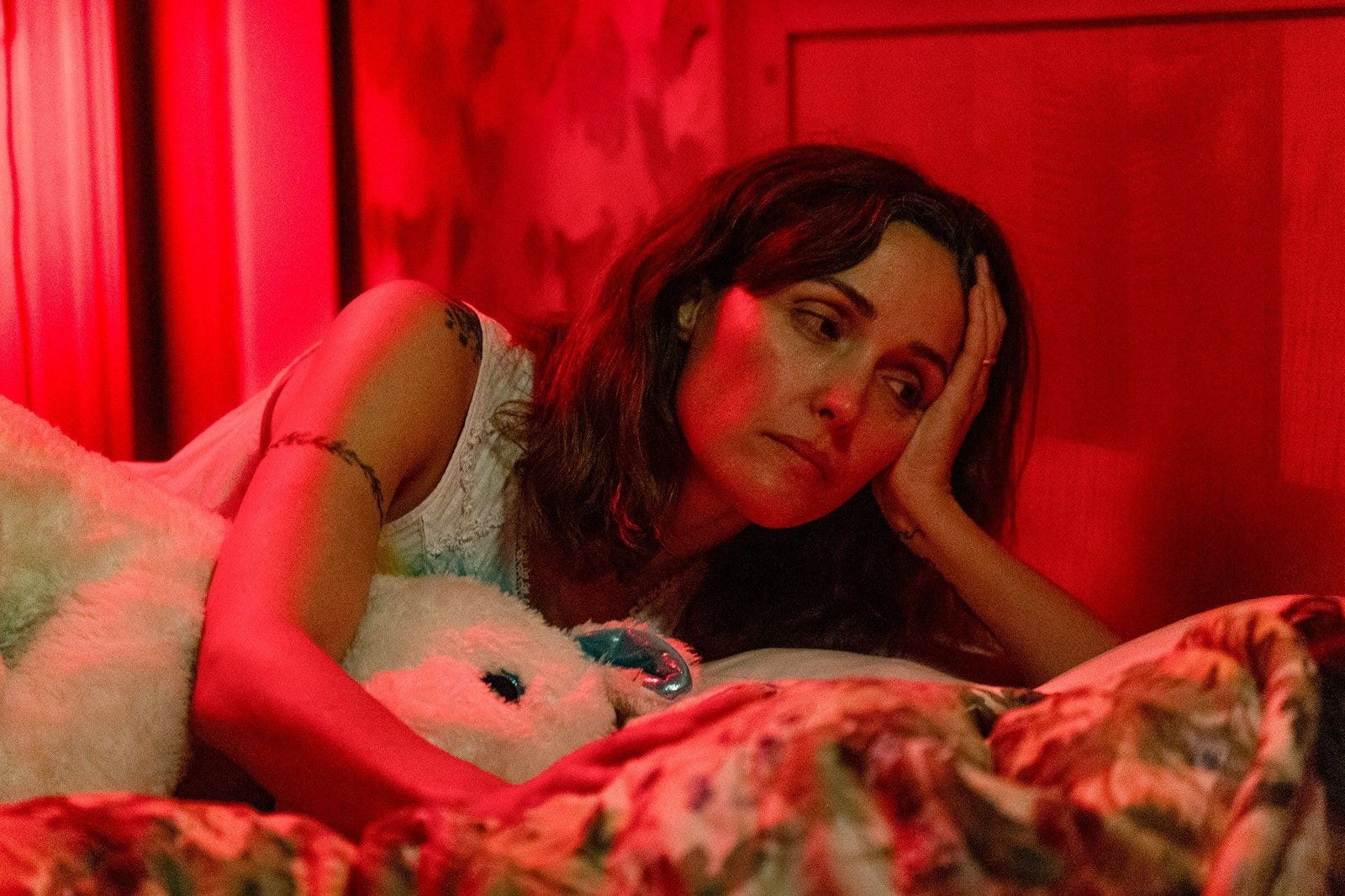
Writer-director Mary Bronstein’s If I Had Legs I’d Kick You was the feel-bad movie of 2025. Central to its engrossingly visceral quality was Rose Byrne’s powerhouse central performance. Byrne’s character, Linda, is a woman stretched to the breaking point between tending to her daughter’s health issues singlehandedly during her husband’s work-related absence, being forced to leave her home following a roof collapse, and mounting stresses from her work as a therapist, ironically having to aid other people in coping while she herself struggles. Byrne’s performance of a woman in a state of inner collapse is painfully raw and real; you almost feel bad for watching her, wanting to help before then flinching at her abrasiveness. While so many films and actors convey such an overwhelmed state through big, showy outward expressions, Byrne instead portrays the inner tension of someone making it through the motions of her day but with a weary brittleness to her composition, as if on the verge of cracking.
Best Director
The nominees:
Danny Boyle, 28 Years Later
Mary Bronstein, If I Had Legs, I’d Kick You
Ryan Coogler, Sinners
Yorgos Lanthimos, Bugonia
Park Chan-wook, No Other Choice
Oscar’s Oscar goes to…
Park Chan-wook for No Other Choice!
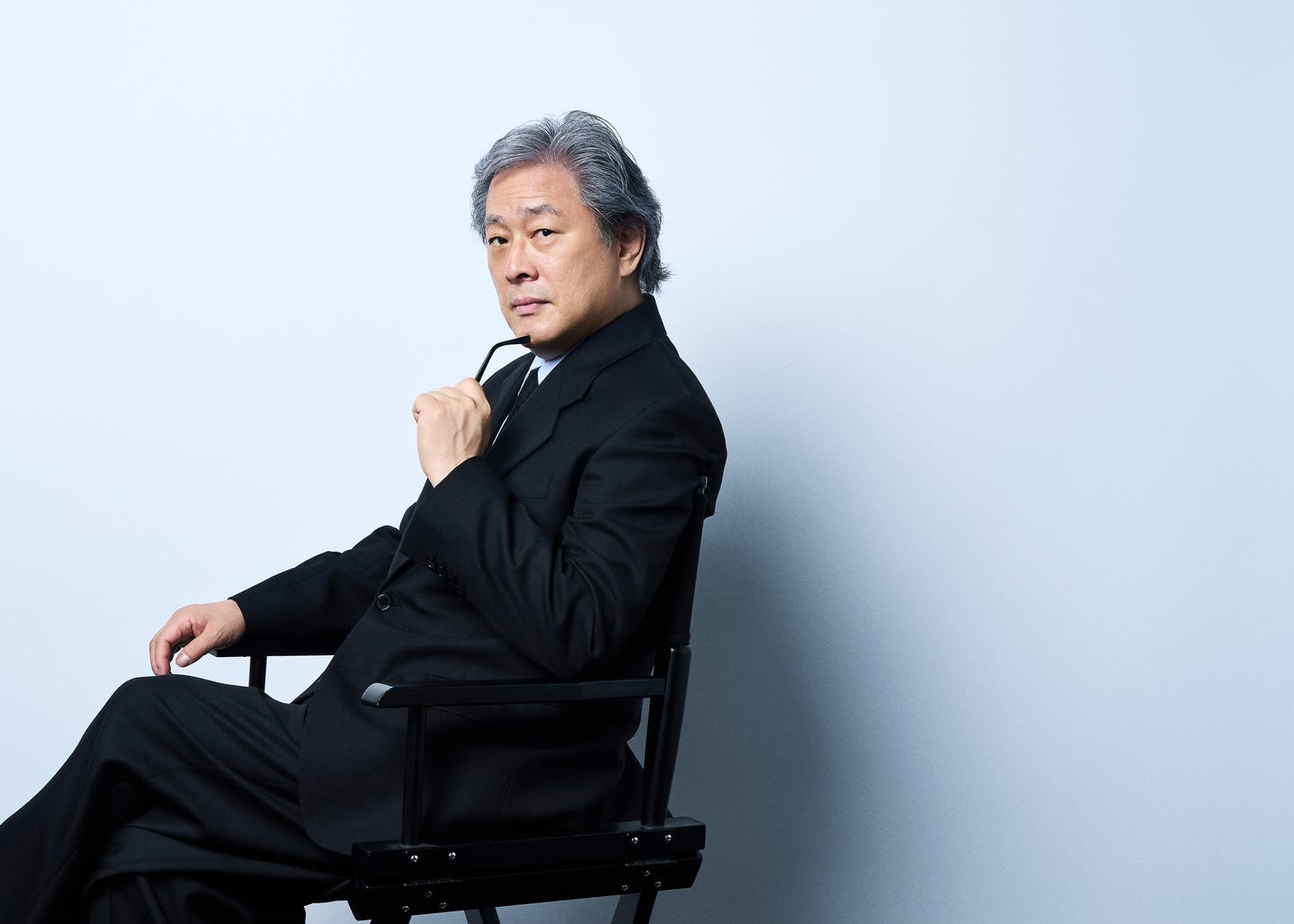
The South Korean director Park Chan-wook, at this point in his career, ranks among the most accomplished filmmakers to never be recognized by the Academy. In the big picture, it’s somewhat shocking that the director behind Oldboy and The Handmaiden has never received so much as a nod. But what’s most striking about No Other Choice is the way it evidences that Park is clearly not content to rest on his laurels, that, over thirty years into his career, he’s consistently breaking new ground in form and tone, rather than falling back into any kind of comfort zone. No Other Choice incorporates a much higher degree of humor than Park’s past films; the film’s black humor maintained on a knife’s edge. It’s more narratively straightforward than previous Park efforts, which often take on a dreamlike quality, without losing Park’s challenging presentation, which expects a viewer to pay attention and connect dots, a welcome antidote to the Netflix-minded pattern of spoon-fed exposition we’ve come to see more of at the cineplex. Park’s work is stylish and substantial, managing to balance thematic and emotional depth with understated visual flair. His mastery of cinematic craft is undeniable.
Best Picture
The nominees:
28 Years Later
Blue Moon
Bugonia
If I Had Legs, I’d Kick You
Marty Supreme
No Other Choice
One Battle After Another
The Secret Agent
Sentimental Value
Sinners
Oscar’s Oscar goes to…
No Other Choice!
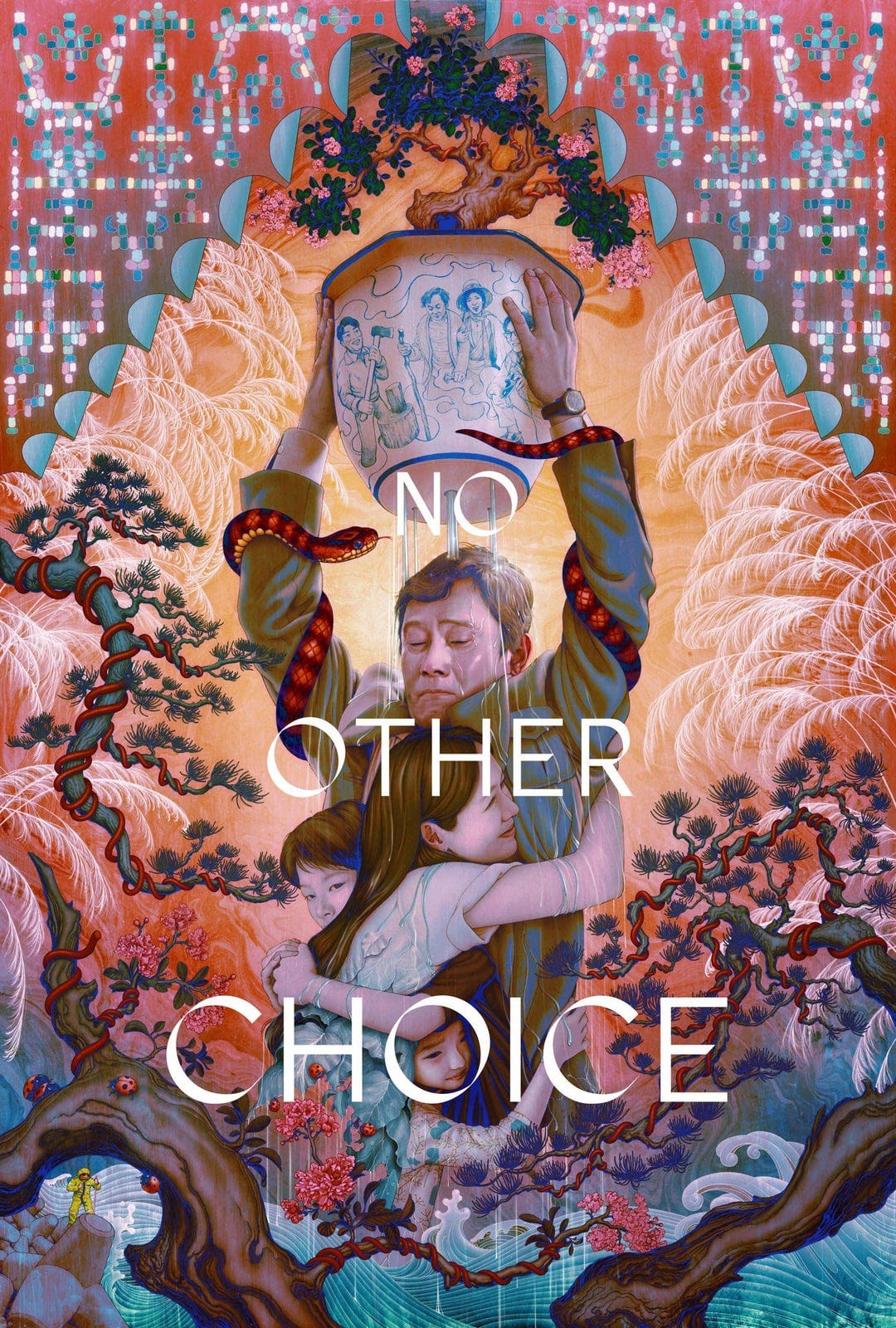
If you couldn’t tell by my previous entries, No Other Choice was my favorite film of last year. I did my best to be fair-minded and spread the love so I could talk about a bunch of my favorites, but ultimately, I had no other choice but to give Park’s masterpiece my top prize. I’ve already spent my fair share of words praising various aspects of No Other Choice, so I’ll take this space to praise its thoughtful approach to its themes. In the past decade, we’ve seen a rise in class-minded thrillers, ones that make “eat the rich” literal and make blood the thing that’s trickling down. But No Other Choice, despite potentially seeming like such a film at its outset, moves in a provocatively orthogonal direction. Man-su isn’t fighting for survival; he’s concerned about maintaining a comfortable lifestyle in his field of choice. His targets decidedly aren’t the global capitalists responsible for his firing; they’re his peers and those even more down on their luck, with Man-su hoping to make their bodies into rungs on a ladder he might climb back to the top. His quest isn’t righteous, it’s self-interested, and his morally dubious stance makes No Other Choice all the more queasily engaging. Park makes viewers wonder what sort of ending could possibly be in store– both one where Man-su is imprisoned for his crimes and one where he gets away with it all would feel too neat– only to masterfully thread the needle in a way both unexpected and, in hindsight, inevitable. It’s an immensely satisfying conclusion to the year’s best, most immaculately crafted film.
This was, I hope, a satisfying conclusion (or epilogue) to this year’s awards season coverage here on Eyes and Ears! Catch you back here same time next year.