
Frankenstein: Everything Guillermo del Toro’s New Film Keeps and Changes from Mary Shelley’s Novel
Starring Oscar Isaac as Victor Frankenstein and Jacob Elordi as the creature, del Toro’s new adaptation of Shelley’s gothic classic is on Netflix now.

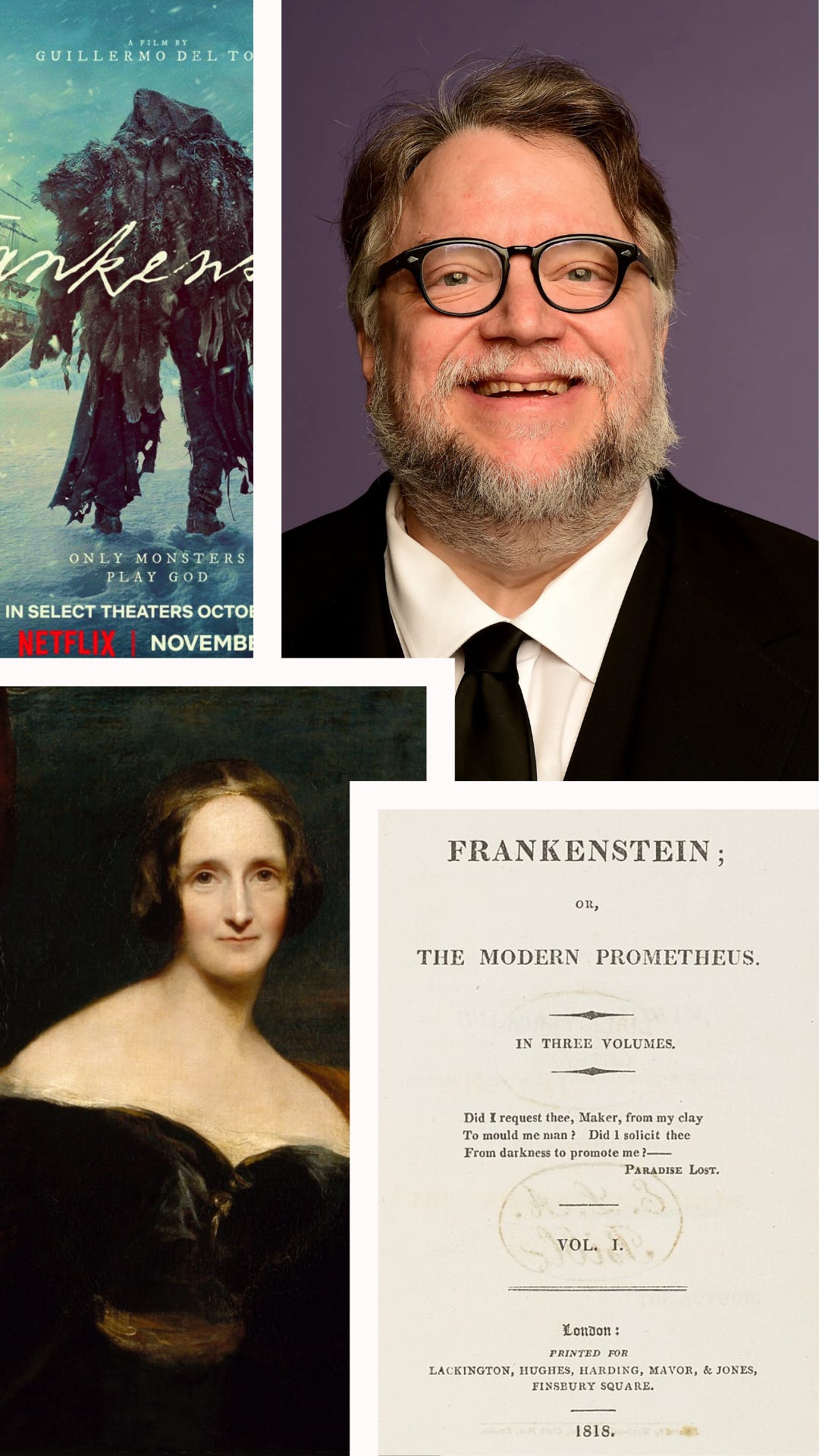
Director Guillermo del Toro’s adaptation of Frankenstein is now on Netflix. It’s a passion project for the 61-year-old Mexican auteur, who grew up loving both Mary Shelley’s 1818 novel and its many film adaptations, most notably 1931’s Frankenstein and its 1935 sequel Bride of Frankenstein, both directed by James Whale and starring Boris Karloff. This affection is palpable in much of del Toro’s oeuvre, with its focus on gothic drama and sympathetic monsters evident in films from Hellboy to The Shape of Water. While many past adaptations of Shelley’s story, including Whale’s, have veered far from the text, del Toro’s is remarkably faithful in most aspects. Yet del Toro also veers away from the text at parts to put an original stamp on the material and imbue it with his personal outlook. Here’s a breakdown of what parts of Shelley’s novel del Toro brought back to life and which are new creations.
Beware! Full spoilers for both versions of Frankenstein ahead!
Victor Frankenstein
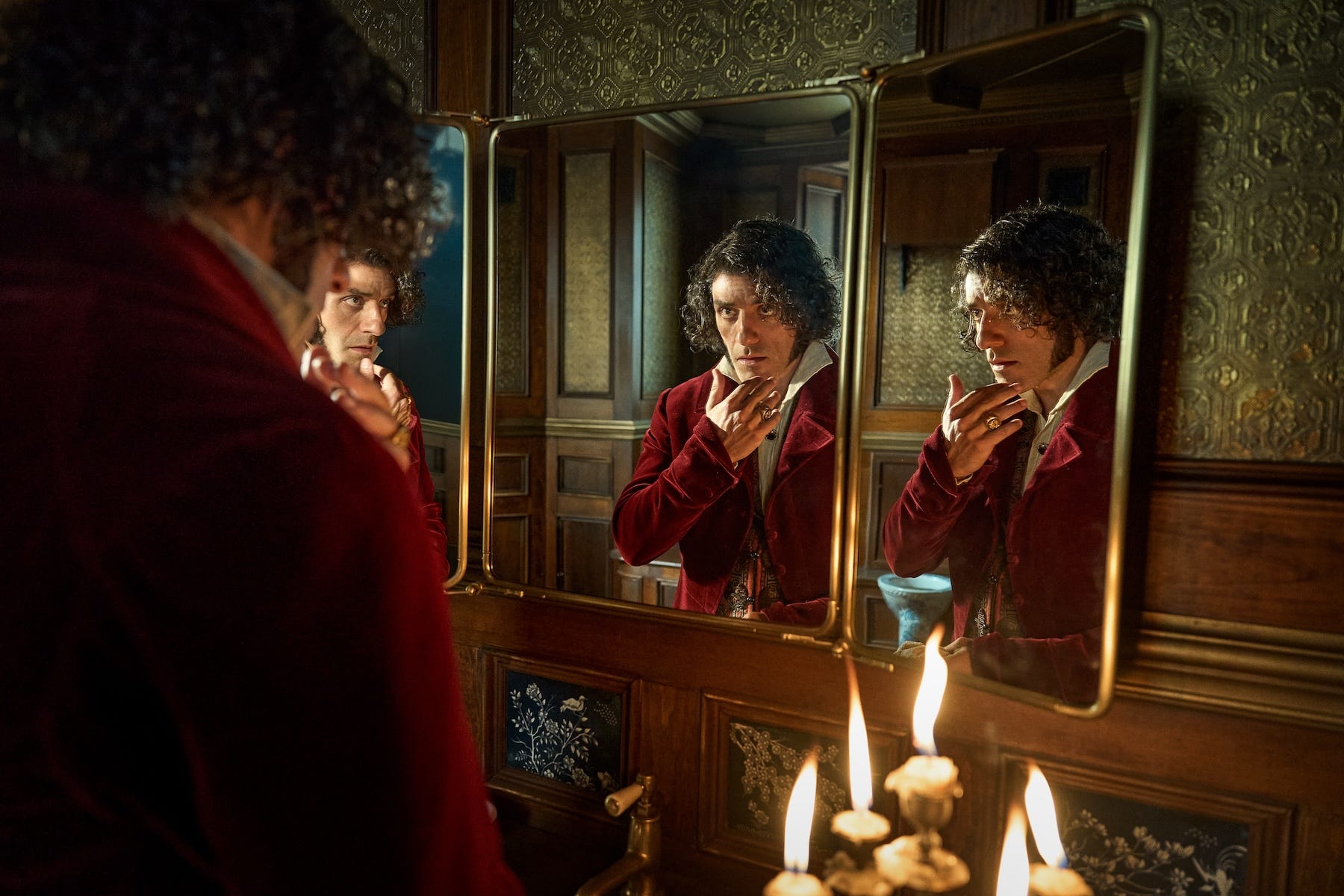
Del Toro leaves the heart of Shelley’s protagonist unchanged. Both iterations of the titular Victor Frankenstein are men driven by ambition to create life, only for their creations to end up becoming their undoing. However, upon close inspection, crucial differences emerge. On a basic level, del Toro’s Victor, portrayed by Oscar Isaac, is notably older than the novel’s version. While neither version of the tale explicitly states Victor’s age, Shelley’s protagonist is a student at University of Ingolstadt, in Germany, when he creates his creature, most likely in his early twenties. Isaac, the star of Inside Llewyn Davis and the Star Wars sequels, is 46 years old and his Victor is an established surgeon at the Royal College of Surgeons of Edinburgh, in Scotland. The change in setting also provides a solid justification for the characters to speak English.
Del Toro’s filmography features a recurring focus on sympathetic monsters, and his adaptation of Frankenstein is no exception. To engender greater sympathy for the creature, del Toro in turn cranks up Victor’s cruelty. Isaac’s Victor keeps his newborn creation chained in a dungeon and physically and verbally abuses the creature for a perceived lack of intelligence. This cruelty precipitates the creature’s turn against his creator. In Shelley’s original novel, Victor is of a frailer, more sensitive character. He flees and faints in fear when the creature comes to life, leaving the creature to flee into the woods, thus abandoning, rather than actively abusing his creation.
The Creature
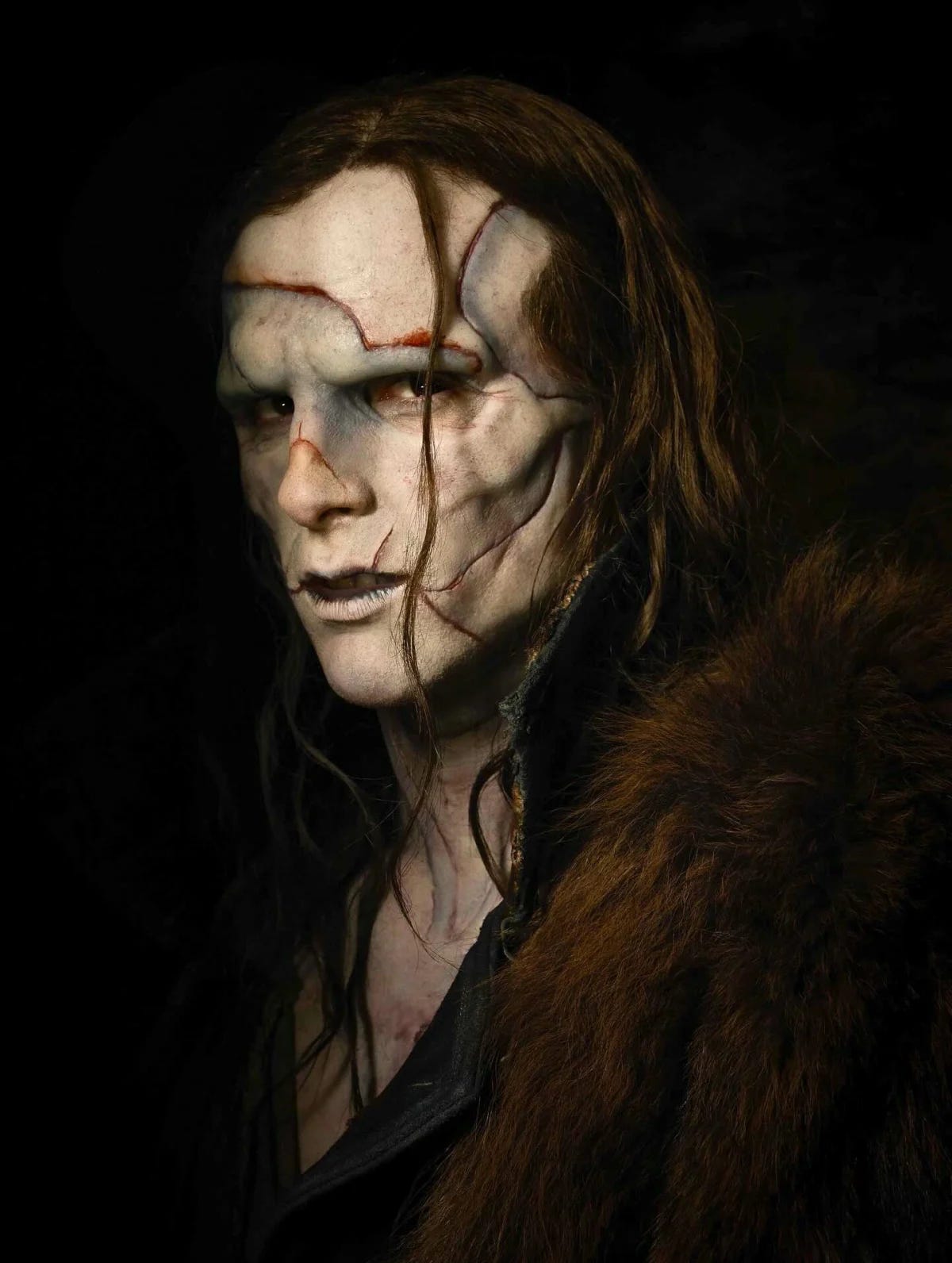
Given del Toro’s love of monsters, it’s not surprising that perhaps the most faithfully adapted part of this latest Frankenstein is the creature at the center of it all, portrayed by Jacob Elordi. Boris Karloff’s portrayal of the creature– staggering, bolt-headed, green-skinned, and linguistically challenged– has become the stuff of pop culture legend but has little to do with Shelley’s creation. Elordi’s depiction, by contrast, accurately translates Shelley’s creature to the screen in both look and characterization. Visually, Elordi’s creature has the same corpselike pale skin, long, black hair, darkened lips, eerie-yet-handsome features, and impressive stature that Shelley describes. Those last two can be credited to the casting of Elordi, a six-foot-five heartthrob known for roles including the series Euphoria and the films Saltburn and Priscilla.
Elordi was actually a last-minute replacement casting choice when del Toro’s original pick, Andrew Garfield, dropped out due to scheduling issues related to the 2023 SAG strike. Nonetheless, Elordi acquits himself at well above replacement level. His mesmerizing performance proves the film’s highlight. Elordi’s depiction of the creature faithfully conveys his growing intellect and eloquence in conveying the existential angst of his tragic and uncanny existence. Elordi underwent extensive voice and movement training for the role, and it shows. His creature speaks in an idiosyncratic accent, reflecting someone who learned to speak from various, scattered sources during an itinerant period, and his awkward physicality conveys the sense of a newborn brain learning to pilot a towering, powerful body.
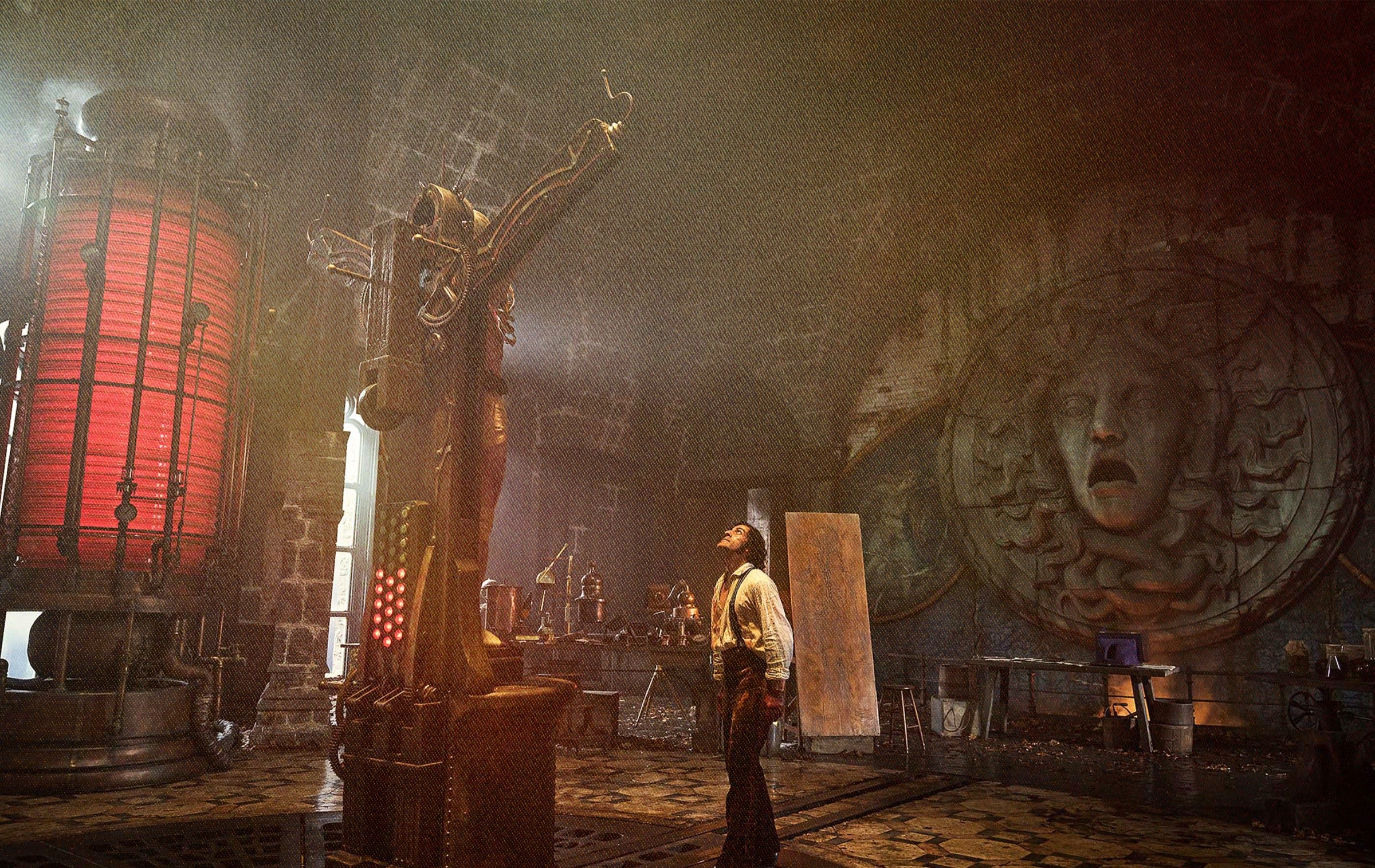
However, del Toro’s depiction of the creature’s assembly differs greatly from Shelley’s. In Shelley’s novel, Victor assembles his creature in secrecy and solitude, stealing parts from morgues under shadow of night. The creature comes to life with no apparent external trigger once the assembly is finished and immediately escapes into the world. When Victor first warns people about the creature, Victor’s friends and family question his sanity and whether this creature even exists. In del Toro’s film, Victor works with a wealthy benefactor, arms dealer Henrich Harlander, an original character created for this film. Portrayed by Django Unchained star Christoph Waltz, Harlander supplies Victor with an imposing Gothic castle to use as a laboratory, state-of-the-art custom medical equipment, and cadavers fresh from the battlefields of the Crimean War (a conflict which marks del Toro’s film as being set decades after Shelley’s novel was released). The creature is brought to life through an elaborate system involving lightning, iconic imagery taken from Whale’s 1931 film. The apparatus on which the creature is placed resembles a crucifix, leaning into the analogy of the creature as a tragic Christ figure, the forsaken son of a man who played God. Victor initially keeps his creature in captivity, displayed to Victor’s brother, William (Felix Kammerer), and William’s fiancée, Elizabeth (Mia Goth).
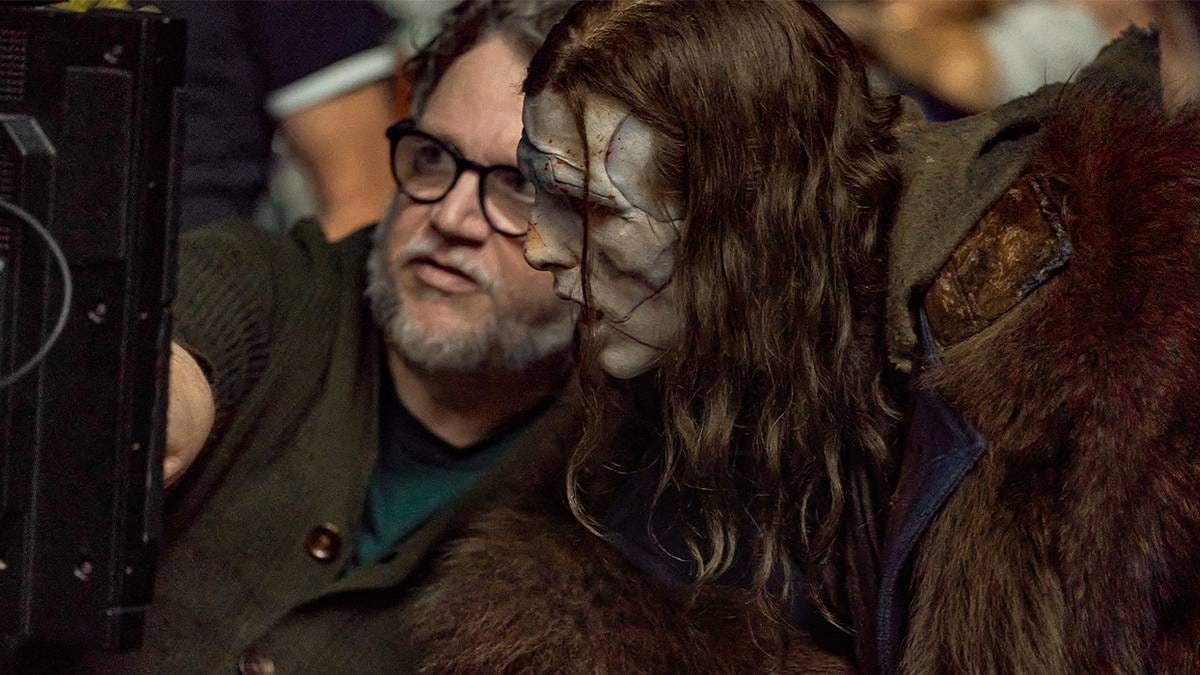
In keeping with del Toro’s sympathy for the creature and increased villainization of Victor, Elordi’s iteration of the creature is a touch more sympathetic than Shelley’s original. The novel’s creature is a sensitive tortured soul but also possesses a capacity for cunning and cruelty. In his campaign of revenge against Victor, the creature kills William in cold blood, then frames the Frankenstein family’s maid, Justine, sending her to the gallows. The creature also kills Elizabeth after Victor refuses to create a female companion for him. In Shelley’s novel, Victor initially accepts, assembling most of this would-be bride, but gets cold feet before completing the job, fearing that if the two creatures reproduced, it could create a world-ending race of monsters. In del Toro’s film, this subplot is shortened, with Victor flat-out rejecting the creature’s initial request for a mate.
In del Toro’s film, William’s death is accidental and occurs later, the Justine subplot is excised entirely, and Elizabeth’s death comes when she is accidentally shot by Victor, who was aiming for the creature. Elordi’s creature is still capable of physical violence, but acts largely in self-defense, lacking the calculating streak of his literary counterpart.
Elizabeth
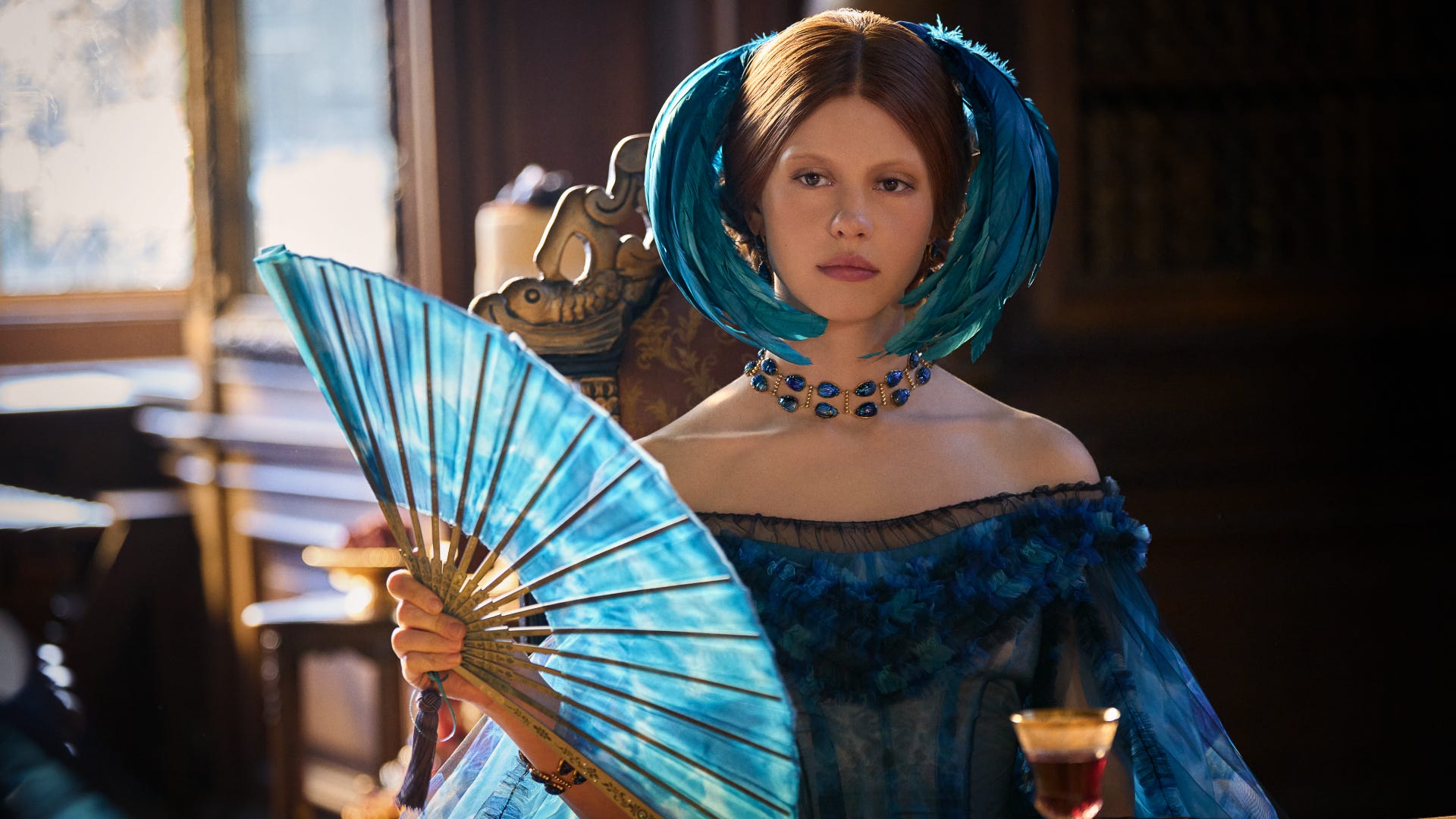
Both Shelley’s novel and del Toro’s film feature a prominent female character named Elizabeth whose death precipitates the film’s climax— and that’s about where the similarities end. In the novel, Elizabeth Lavenza is a childhood companion of Victor whom he later marries. In Shelley’s original 1818 edition, Elizabeth is Frankenstein’s cousin, in a revised 1831 edition, she’s an orphan raised by Victor’s family. As mentioned in the previous section, she ultimately meets her end at the hands of the creature on her and Victor’s wedding night. This precipitates Victor’s abandonment of his normal life, moving instead to hunt his creation to the ends of the Earth.
In del Toro’s film, Elizabeth, portrayed by Pearl star Mia Goth, is surnamed Harlander— the niece of Waltz’s Henrich— and is engaged to William, not Victor, though the latter man shows an interest in her. Goth’s Elizabeth lacks the childhood connection to the Frankenstein family. While Shelley’s Elizabeth never learns of the creature’s existence until he appears suddenly and kills her, Goth’s portrayal of the character bonds closely with the creature. Elizabeth’s kind, gentle demeanor towards the creature contrasts Victor’s cruelty, and when she is shot, the creature repays the kindness, comforting her in her final moments.
William
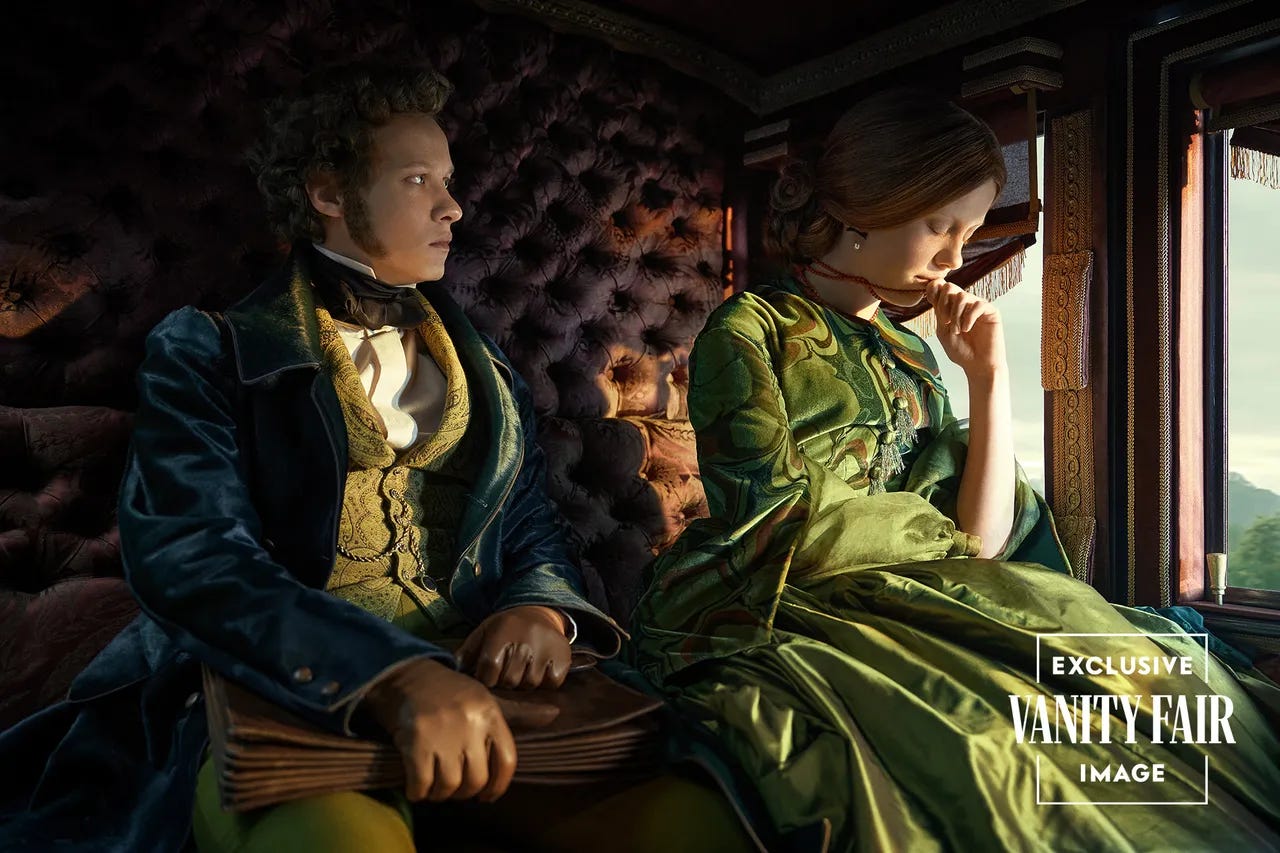
Victor’s younger brother, William, played by All Quiet on the Western Front’s Felix Kammerer, is another character whose filmic depiction departs notably from Shelley’s novel. As mentioned earlier, in the novel, William is a small child whose greatest contribution to the plot is winding up as the creature’s first victim. The film’s version is aged up— Kammerer is 30— so while he’s still notably younger than Victor, he’s an adult, able to act as a peer to Victor, playing more of a role in the film’s events.
The version of William in del Toro’s film bears some resemblance to Henry Clerval, a character from Shelley’s novel who is excised in the film. Henry is Victor’s loyal lifelong friend, a peer from childhood through university who stands as a figure of steady companionship during the turmoil in which Victor pursues his creation and reckons with the fallout. Kammerer’s William, much younger than Victor but still an adult, close with Victor but not a lifelong friend, may be seen to represent a moderate amalgam of the novel’s William and Henry.
The Arctic Ship
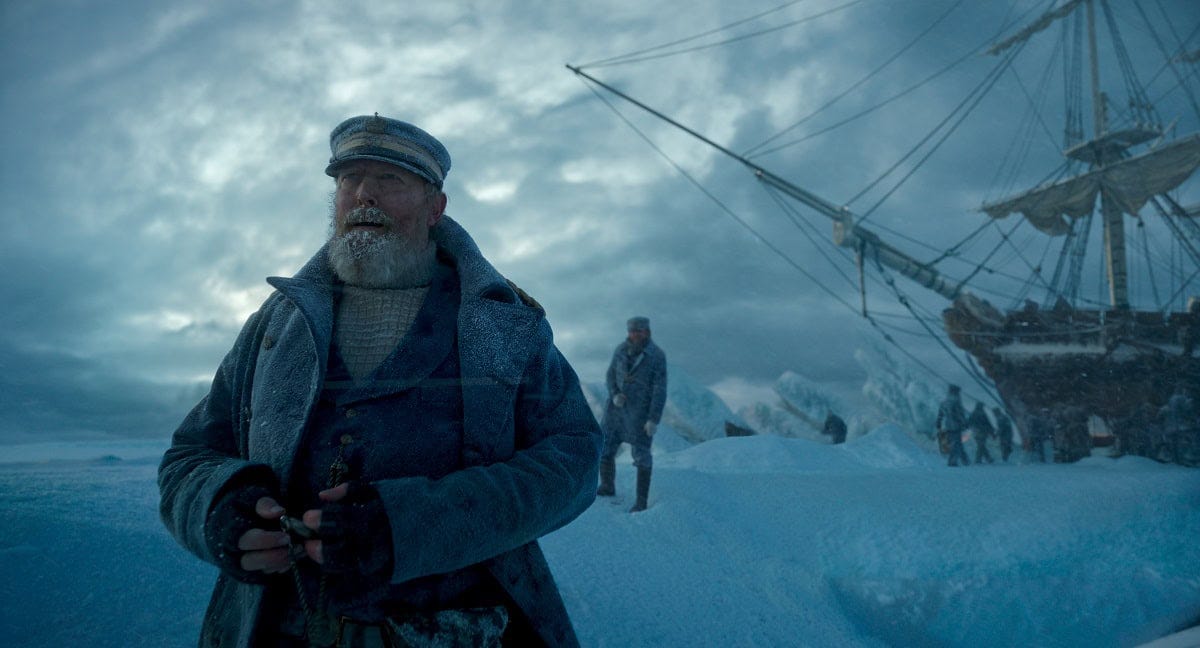
One of the most notable yet rarely adapted aspects of Shelley’s novel is its frame narrative. The novel opens from the perspective of Captain Robert Walton, whose North Pole-bound ship encounters the hysterical Victor, collapsed from exhaustion while pursuing his creature across the ice. Walton takes Victor aboard, listening to the latter man’s story of how he wound up in such a state, framing the bulk of the novel as Victor’s recollection to Walton. Victor shortly thereafter dies, succumbing to hypothermia, exposure, and exhaustion. Walton initially doubts the story as the ravings of a dying man but is made a believer once the creature boards the ship to pay respects to his creator.
In del Toro’s film, we keep this framing device. The film opens and closes on the ship, though it has been changed from an English ship to a Danish one, led by a Captain Anderson (Lars Mikkelsen). However, the creature and the ship cross paths earlier; in the film, the sailors must fend off an attack from the creature, who is attempting to reach Victor. The creature later boards the ship with Victor still alive, to share his own narrative directly with Anderson. In Shelley’s novel, the creature’s narrative is conveyed as Victor’s recollection of hearing the creature’s experiences during a past encounter.
A Maybe Happy Ending?

While the opening and closing scenes of del Toro’s Frankenstein keep much of Shelley’s narrative intact, the film’s very final moments change the original story in a key way. At the conclusion of Shelley’s story, the creature mourns his late creator, then vows to walk out onto the frozen tundra and self-immolate, erasing all traces of Victor’s unnatural actions from the Earth. This ends the novel on a decidedly tragic note, the creature realizing that his existence is ultimately incompatible with the world. But, as has been noted, del Toro is a lover of monsters. Thus, it’s not surprising when he gives his version of the creature a happy ending.
Isaac’s Victor apologizes to Elordi’s creature for his mistreatment, giving the ersatz father and son a resolution that they never got in Shelley’s novel. The creature pushes Anderson’s ship out of the ice, allowing them to safely journey home. The creature then watches the sun rise, a hopeful look on his face, his traumas reconciled. As the credits roll, we can imagine him going on to a life that, while odd or solitary, might be happy. It’s this uplifting ending that neatly encapsulates the spirit of del Toro’s adaptation as one that’s faithful to the heart of Shelley’s novel but freely modifies it to reflect del Toro’s affection for the creature— and for the outcasts and misfits in all of us.